

How to save money and scan your photos digitally using your phone and Google PhotoScan - houstonsponsiguess
Scanning photos into digital copies isn't just for old pic albums. These days, you'll a great deal have to decide whether to buy an expensive digital version of school photos, non to mention weddings. Merely why spend extra money when you receive a photo scanner in your pocket?
Google PhotoScan is an app both for Android and iOS, and works by exploitation your telephone set's camera to take several photos of a print photograph, using word to stitch them together and stigmatize the edges of the photograph. The photo stitching also whole kit and caboodle to eliminate brilliance from your earpiece's flash, though a cured-lighted photo exploitation natural light delivers the second-best results.
To be fair, a native digital image will present the clearest, sharpest results. And if you stimulate a votive scanner, or a multifunction printer with a digital scanner attached to IT, that option should definitely equal explored. Only scanners cost money, as do the rights to digital images—the local photography service charged me $17! Instead, search what your phone's own camera can do before ponying up for that Instagram office.
(Just be sure and understand what rights you have to share those images, and if the photographer asserts any rights to the photos in question. If you yourself have taken the photos in question, you should be fine.)
How to scan a pic with PhotoScan in 3 easy steps
First, download Google PhotoScan for Android or PhotoScan for iOS. Google doesn't place any restrictions on what devices you can use with PhotoScan, though you'll need Android 5.0 (Lollipop) OR higher. Of course, you'll obviously pauperization a photo, glossy operating theatre not. Google doesn't seemingly place any restrictions on size, though I've sole used smaller 3×5 and 4×6 prints.
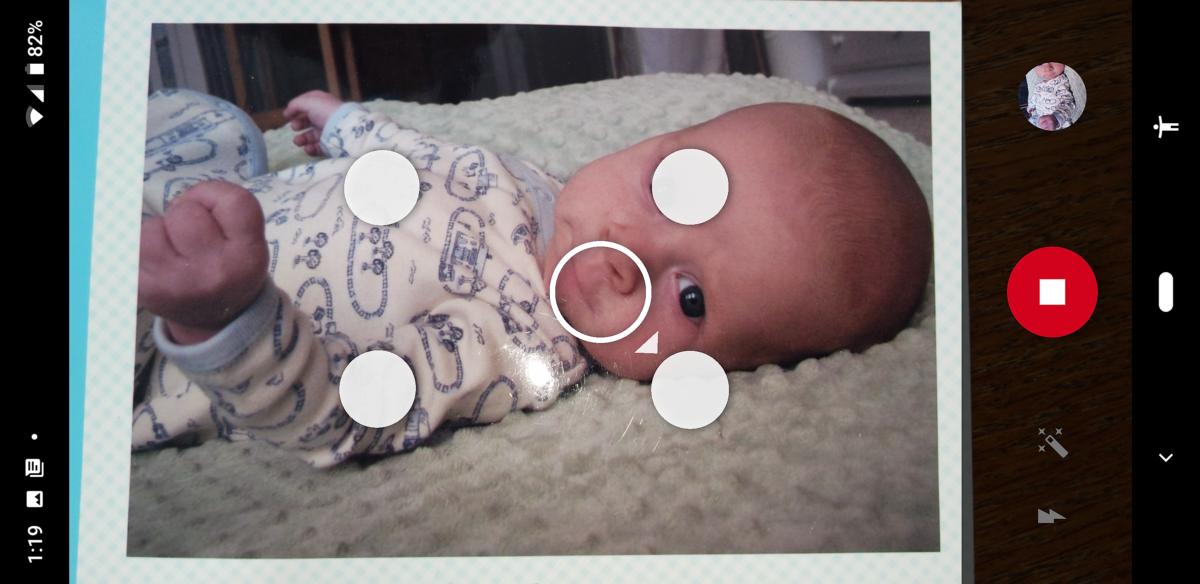
Instant, begin scanning. When you launch the app, PhotoScan shows you what to do: Shoot the entire print inside the frame of your camera. PhotoScan wish then superimpose four little circles complete the fancy of the print, and ask you to move PhotoScan's "targeting" reticule over each. (Once more, the short tutorial clarifies this nicely).
 Stain Hachman / IDG
 To scan the entire photo, you'll motive to match up the center targeting circle with the various target circles for a second or two.
Don't concern if you don't precisely align the targeting reticle over each of the targets, as IT didn't seem to make any difference in the lucidness of the finished image. The circles tended to jump a bit as I aligned them, too.
PhotoScan also allows you to define the corners of the double after the image is captured. This came into play only if I in use PhotoScan with a print set against a soft backdrop, which successful it harder to discover the edges.
 Cross out Hachman / IDG
  Mark Hachman / IDG
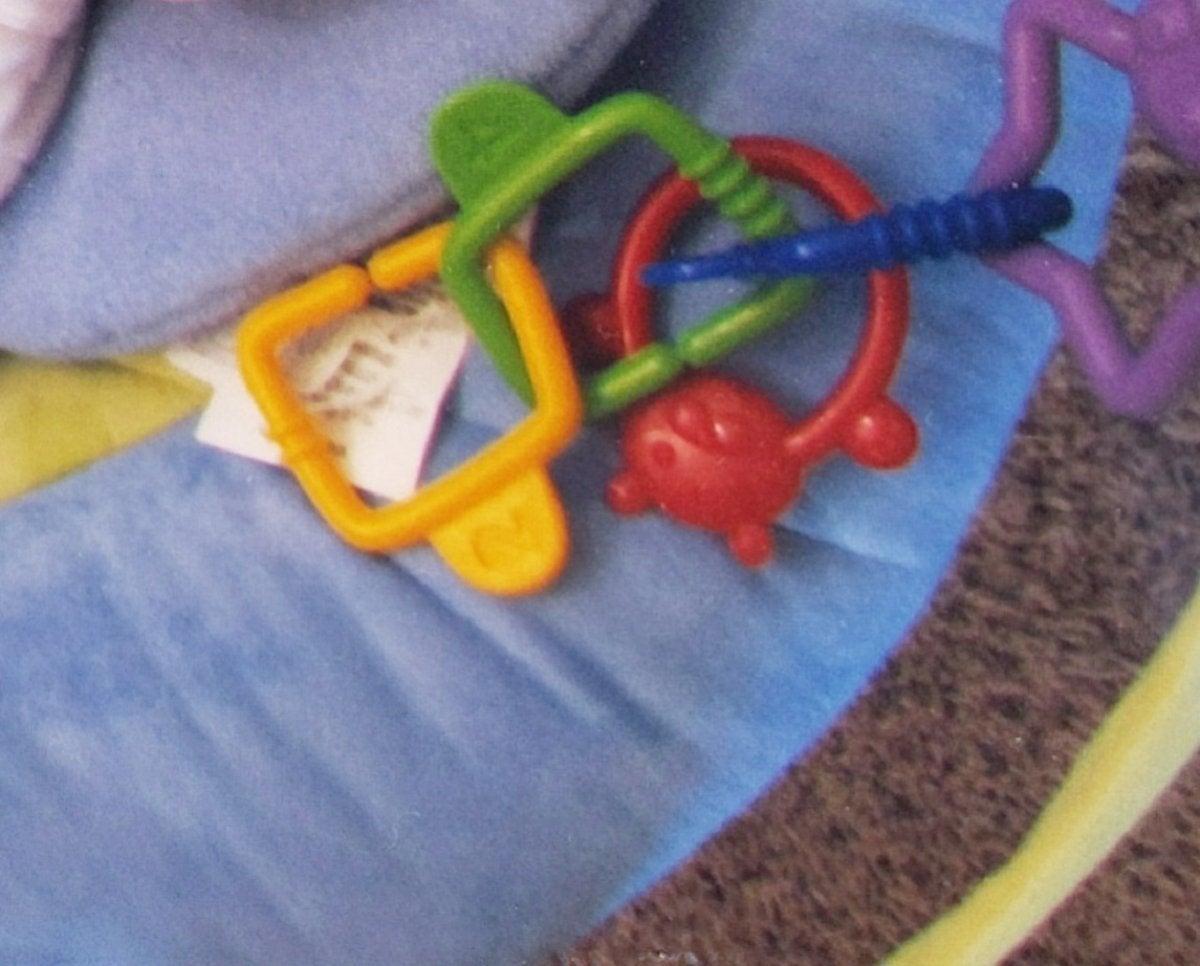
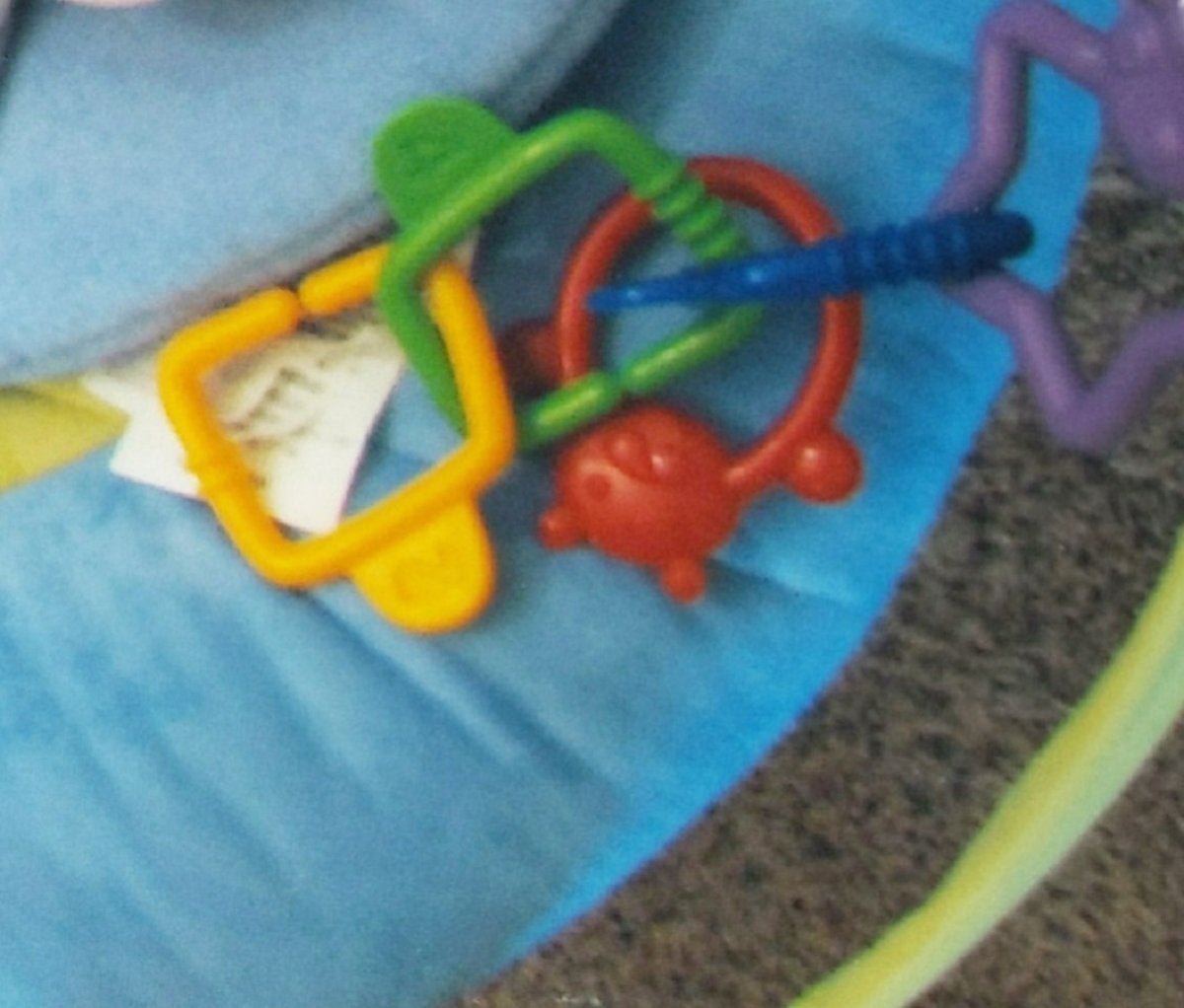
 Scanning your photo using natural light or the fake light of your camera keister produce differences. The bottom photo, shot inside using the television camera flash, looks brighter. However, the aquamarine isn't as close together to the true color of the photo, gib under biological light in the best frame.
Whatdoes seem to affect the picture, however, is the lighting. I shot the same snap indoors in an unlit, draped room, using my phone's get down to crystalise the image. I then went outside and photographed the Lapp publish in the afternoon shade, with marked differences in discolor. The outdoor one looked a bit more washed-unstylish in places, though the color in also appeared to beryllium more true-to-life. It might be deserving experimenting to determine what kit and boodle best. Note that in that respect's a "magic wand" icon to turn along or disconnected PhotoScan's ability to compensate for the camera's cheap.
PhotoScan also appears to cut down the resolution. Though I shot the pic using a 12.2MP tv camera on the Google Pixel 3, the scanned photo saved in 3,000 x 2,000 resolution.
Third, post-processing. Meet kidding! There is no step three, at least in the PhotoScan app. PhotoScan saves the photo on your phone, which allows it to be razor-backed up automatically into Google Photos, Microsoft OneDrive, surgery Apple's iCloud. Any post-processing—adjusting the contrast, colouring material, or red-oculus—must be done exploitation an app like Windows 10's Photos app, Google Photos, Lightroom, or something similar.
That's it, though. PhotoScan is studied to be simple and intuitive, and it is. Give it a taste yourself, using an old photo. The results may surprise you—and be moral enough that you can save some money on future pic shoots.

Source: https://www.pcworld.com/article/397956/how-to-save-money-and-digitally-scan-your-photos-using-your-phone-and-google-photoscan.html
Posted by: houstonsponsiguess.blogspot.com
0 Response to "How to save money and scan your photos digitally using your phone and Google PhotoScan - houstonsponsiguess"
Post a Comment